
EC-012 pp.PDF 63 KB
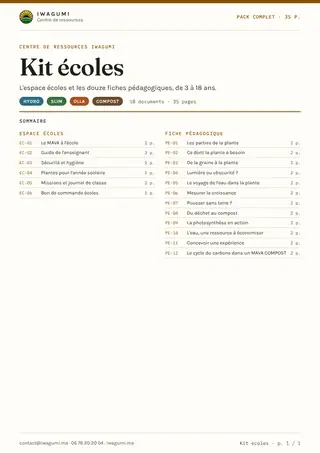
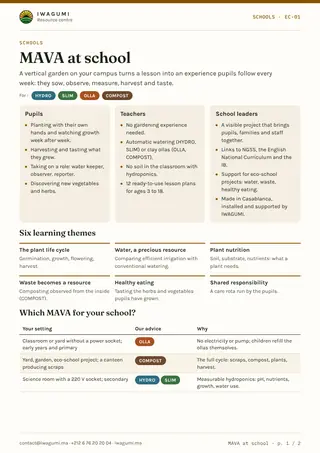
MAVA at school
Why a MAVA on campus, which range to choose, curriculum links.
IWAGUMI resource centre
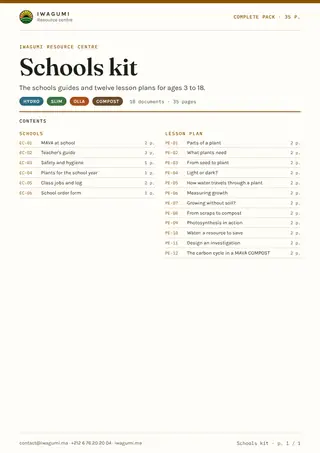
Free, printable A4 guides and twelve lesson plans for ages 3 to 18, linked to NGSS, the English National Curriculum and the IB.
No document matches these filters. Try another word, or show everything.
Schools
For teachers and school leaders: teacher's guide, safety, pupils' jobs and the order form.
EC-012 pp.PDF 63 KB
Why a MAVA on campus, which range to choose, curriculum links.
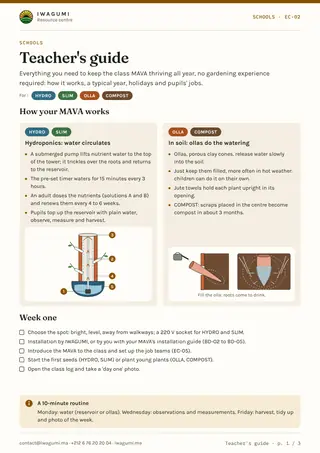
EC-023 pp.PDF 79 KB
How it works, a typical year, holidays and pupils' jobs.
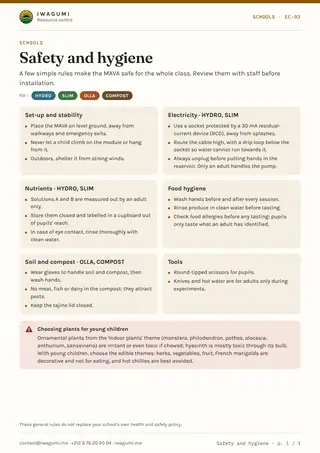
EC-031 pp.PDF 41 KB
Stability, electricity, nutrients, hygiene, compost and plants to avoid with young children.
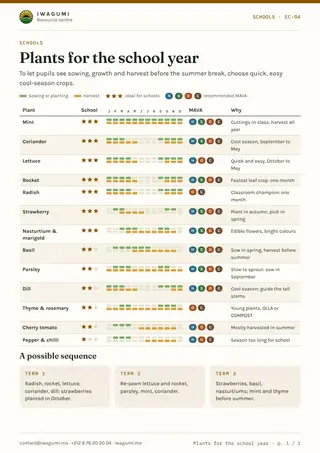
EC-041 pp.PDF 110 KB
Crops that deliver results between September and June, with their calendar.
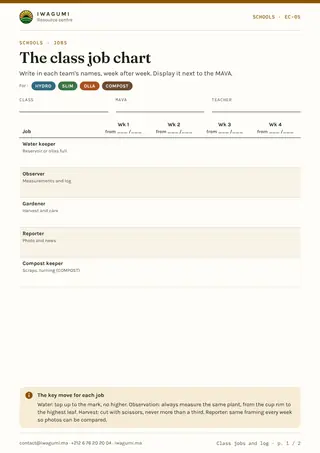
EC-052 pp.PDF 38 KB
The pupils' job chart and the class log, ready to print.
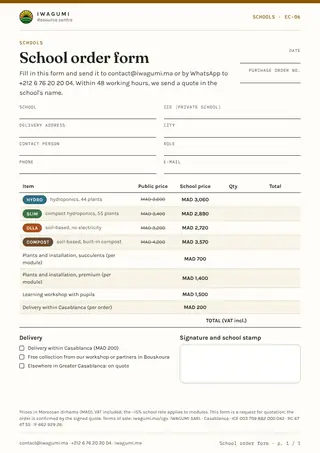
EC-061 pp.PDF 38 KB
The form to fill in to receive a quote at the school rate.
Teaching
Twelve ready-to-teach sessions for ages 3 to 18, linked to NGSS, the English National Curriculum and the IB. Each includes a teacher page and a pupil sheet.
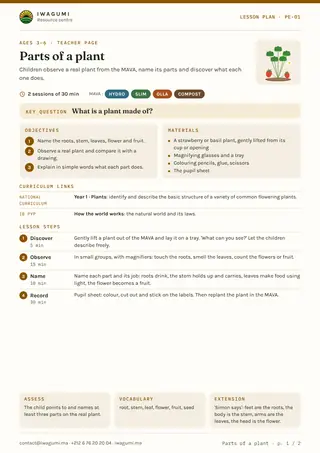
PE-012 pp.PDF 84 KB
Children observe a real plant from the MAVA, name its parts and discover what each one does.
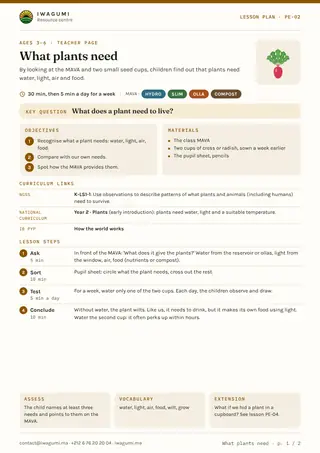
PE-022 pp.PDF 110 KB
By looking at the MAVA and two small seed cups, children find out that plants need water, light, air and food.
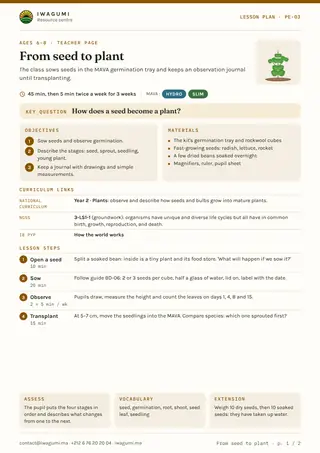
PE-032 pp.PDF 85 KB
The class sows seeds in the MAVA germination tray and keeps an observation journal until transplanting.
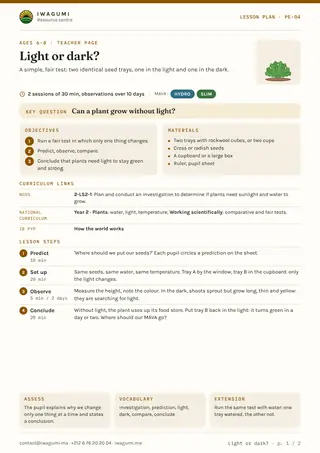
PE-042 pp.PDF 74 KB
A simple, fair test: two identical seed trays, one in the light and one in the dark.
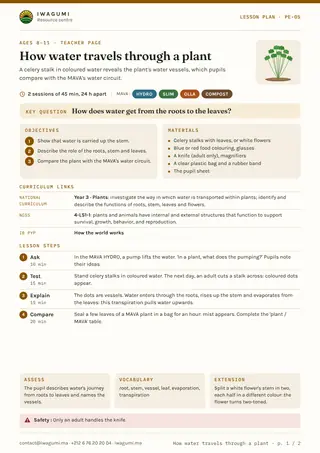
PE-052 pp.PDF 70 KB
A celery stalk in coloured water reveals the plant's water vessels, which pupils compare with the MAVA's water circuit.
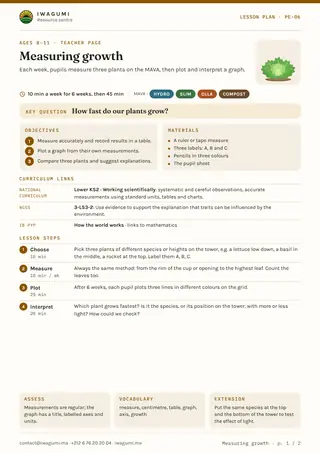
PE-062 pp.PDF 64 KB
Each week, pupils measure three plants on the MAVA, then plot and interpret a graph.
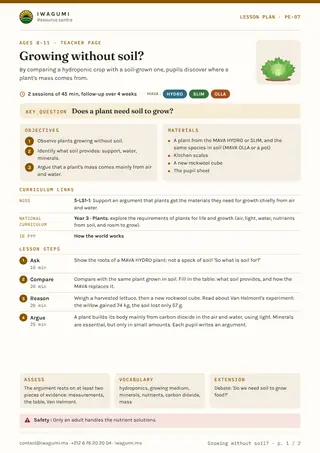
PE-072 pp.PDF 68 KB
By comparing a hydroponic crop with a soil-grown one, pupils discover where a plant's mass comes from.
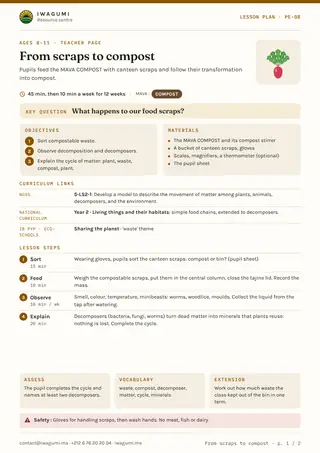
PE-082 pp.PDF 67 KB
Pupils feed the MAVA COMPOST with canteen scraps and follow their transformation into compost.
PE-092 pp.PDF 84 KB
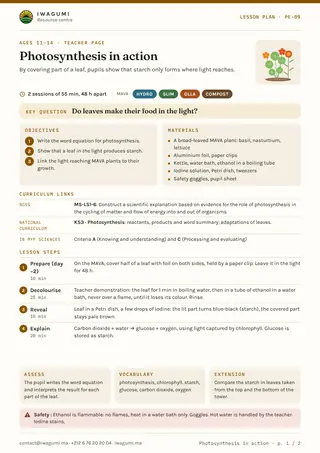
By covering part of a leaf, pupils show that starch only forms where light reaches.
PE-102 pp.PDF 66 KB
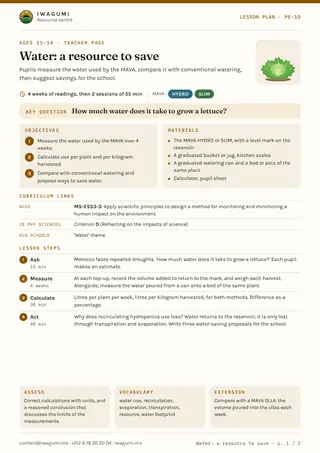
Pupils measure the water used by the MAVA, compare it with conventional watering, then suggest savings for the school.
PE-112 pp.PDF 65 KB
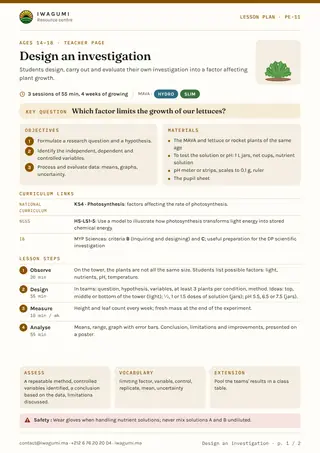
Students design, carry out and evaluate their own investigation into a factor affecting plant growth.
PE-122 pp.PDF 78 KB
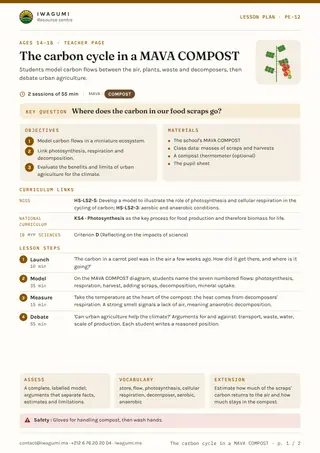
Students model carbon flows between the air, plants, waste and decomposers, then debate urban agriculture.
Installation guides for each MAVA, maintenance sheets and thirteen plant guides are available in French.
Contact us for a quote at the school rate, a learning workshop with your pupils, or advice.